
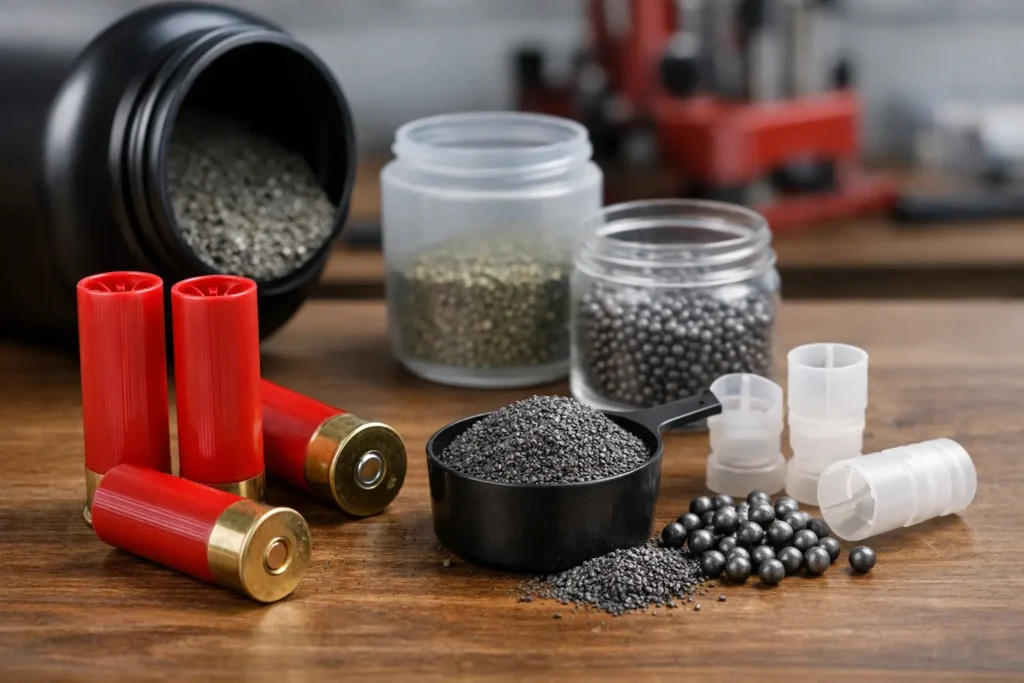
A shotshell powder selection guide starts with one non-negotiable rule: powder is not chosen by gauge alone. A 12-gauge target load, a high-velocity waterfowl load, and a 20-gauge upland load may all use smokeless powder, but their safe, repeatable recipes can have very different pressure and ignition requirements. The right choice comes from matching a published load exactly, then selecting a powder whose characteristics suit the performance you expect at the range or in the field.
For serious reloaders, powder choice affects more than velocity. It influences pressure behavior, metering consistency, recoil character, cleanliness, cold-weather reliability, and the ability to maintain a proven load when components are difficult to source. Power and precision in every load begin with respecting the entire component system.
Start With Published Data, Not Powder Preference
The most reliable way to choose a shotshell powder is to begin with current, published data for your exact hull, primer, wad, shot charge, and intended gauge. Once that combination is identified, choose only from the powders listed for that recipe. This is the line between informed component selection and unsafe substitution.
Shotshells are particularly sensitive to changes in internal volume and ignition. Hull construction varies. Wads have different compression characteristics. Primers do not produce identical ignition energy. A powder that performs well in one listed load may produce unacceptable pressure or inconsistent velocity when moved into another component combination.
Do not treat powder charge weight as a universal number, and do not assume that two powders with similar burn rates can be exchanged. A faster or slower substitute can change the pressure curve significantly, even when the load appears similar on the bench. If your preferred powder is unavailable, find a complete, tested recipe built around an available alternative rather than trying to adapt a favorite recipe by inference.
Shotshell Powder Selection Guide: Match the Job First
Before comparing brands or burn-rate charts, define the job the shell must do. Target shooting, upland hunting, turkey loads, waterfowl loads, and defensive applications place different demands on velocity, payload, recoil, and temperature performance.
For high-volume clay shooting, many reloaders prioritize smooth recoil, clean burning, dependable metering, and a moderate velocity that supports consistent breaks without unnecessary fatigue. Dense, fine-grained powders are often valued here because progressive presses benefit from uniform charge drops. The best option is still the one supported by data for the hull and payload you use most often.
Field loads can shift the priority. An upland hunter may favor a balanced load with manageable recoil and dependable patterns in a lightweight gun. Waterfowl loads often involve heavier payloads, non-toxic shot, and colder weather, so reliable ignition and data developed specifically for those components matter more than chasing a familiar target-load feel.
Heavy payload applications can require powders with a pressure and gas-generation profile appropriate for that load class. That does not mean “slower is always better.” It means the powder must be listed for the exact payload, wad, hull, primer, and velocity objective. The recipe determines the powder, not the label on the box.
Burn Rate Is Useful, but It Is Not a Recipe
Burn-rate charts are helpful for understanding broad powder categories, but they are not loading data. In general terms, quicker powders are commonly associated with lighter target-style applications, while slower powders may appear in heavier or higher-velocity loads. The overlap is substantial, and published data is the only authority for an individual load.
Burn rate also does not tell the entire story about field performance. Powder geometry, coating, bulk density, and ignition characteristics influence how consistently a powder meters and performs. Two powders positioned near each other on a chart can behave differently in a specific shotshell system.
Treat burn rate as a filtering tool when you are comparing suitable published recipes. Use it to understand why a powder appears in a certain application, not to create a load from parts that happen to look compatible.
Consider Metering, Density, and Press Setup
Shotshell reloading is often done in volume, which makes metering consistency a practical concern. Flake, ball, and extruded powders can behave differently in a charge bar or bushing system. Fine spherical powders may flow very consistently, while larger flakes can require more attention to charge verification depending on the press and powder measure.
Powder bulk density matters because the charge must fit the hull correctly with the listed wad and shot payload. A shell that closes poorly, has incorrect wad pressure, or shows unusual component stack height is not a cosmetic issue. It is a signal to stop and confirm every component against the published data.
Verify actual thrown charges with a dependable scale whenever you change powder lots, bushings, charge bars, or press settings. Check again during a loading session. A bushing chart is a starting reference, not a guarantee that your particular powder lot and equipment will throw the intended weight.
Primer Choice Is Part of Powder Choice
Primer and powder selection are inseparable in shotshell loading. Primers vary in strength, cup design, and ignition characteristics. Replacing one primer with another can affect pressure, velocity, and consistency, especially in loads that operate near the higher end of their published pressure range or are intended for cold conditions.
A powder that has an excellent reputation for clean, uniform performance can still give disappointing results if it is paired with an unlisted primer. Follow the exact primer specified in the data. If you need to use another primer because of supply constraints, use a separately published recipe that calls for that primer from the beginning.
This discipline pays off at the pattern board and on the chronograph. Reliable ignition supports predictable velocity, and predictable velocity supports more consistent point-of-impact and pattern performance.
Temperature and Field Conditions Matter
A load that performs perfectly during warm-weather practice may not behave the same on a late-season hunt. Cold temperatures can affect ignition and velocity, particularly with certain component combinations. Moisture exposure, ammunition storage, and the time a shell spends in a cold vehicle or blind can also influence real-world consistency.
When selecting a powder for hunting ammunition, look for published data and established application use that align with your anticipated conditions. Test finished shells responsibly before relying on them in the field. Pattern the load through the choke you will actually use, and evaluate function, recoil, point of impact, and practical consistency rather than focusing on velocity alone.
Buy for Consistency, Not Just Availability
Availability matters, particularly when you need enough powder to maintain a proven load through a season. But switching powders every time inventory changes creates unnecessary variables. Once you have a safe, tested load that patterns well and meters consistently, purchasing enough of the same powder lot or product line for your planned use can simplify your process.
That does not mean ignoring new options. Trusted powder lines from manufacturers such as Hodgdon, Winchester, Alliant, IMR, Accurate, Ramshot, Vihtavuori, and Shooters World each offer products with different application strengths. Compare their current published data against your established hull, wad, primer, and payload system. A powder that is in stock is valuable only when it is supported by a complete, compatible recipe.
Store powder in its original labeled container, keep it dry and away from heat sources, and follow all applicable storage and transportation requirements. Never combine powders or return an unidentified powder to a container. Clear labeling and disciplined bench practices protect both your components and your confidence in every shell.
A dependable shotshell load is built one verified decision at a time. Choose the powder that matches published data, meters accurately in your equipment, and performs reliably in your actual shooting conditions. That approach keeps the process focused where it belongs: safe assembly, consistent ignition, and confidence when the target presents itself.