
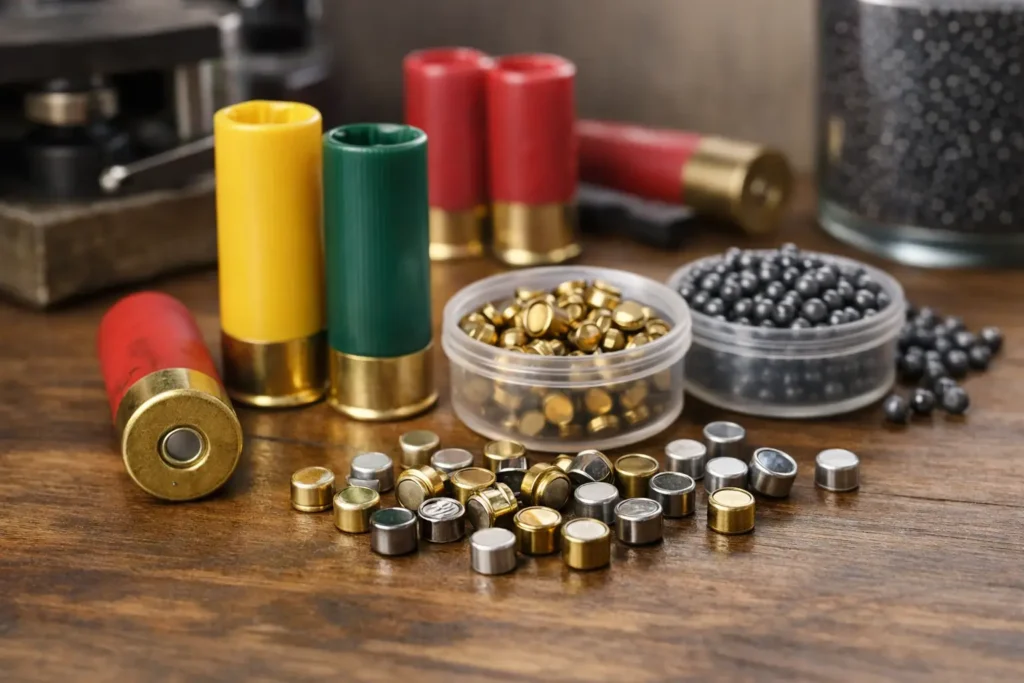
A shotshell load that looks perfect on paper can still fall apart at the primer. Weak ignition, pressure changes, dirty burn, and uneven velocities often start with one simple mismatch. That is why a guide to shotshell primer selection matters more than many reloaders first assume, especially when you are chasing repeatable performance instead of just assembling usable shells.
Shotshell primers are not interchangeable just because they fit the hull. Primer choice affects ignition energy, pressure, burn characteristics, and load consistency. In shotgun reloading, small component changes can move results faster than expected, and the primer is one of the first places where that shows up on the chronograph and in the field.
Why shotshell primer selection changes the load
A shotshell primer does one job, but it does that job under tight timing. It has to ignite the powder charge consistently enough to produce predictable pressure and velocity, while working with the hull, wad, payload, and powder burn rate you selected. Change the primer, and you may change more than ignition. You may alter pressure enough to push a safe recipe out of spec.
This is where experienced reloaders separate convenience from discipline. In metallic cartridge loading, some substitutions can be managed carefully with load workup. In shotshell loading, published data tends to be far more component-specific. The hull, wad, powder, payload, and primer are usually treated as a matched set for a reason.
A hotter primer can raise pressure, especially with dense or harder-to-ignite powders. A milder primer may reduce pressure, but it can also hurt combustion efficiency and increase velocity variation. Neither direction is automatically better. It depends on the exact recipe and the performance standard you are trying to hold.
A practical guide to shotshell primer selection
The first rule is simple: use the exact primer listed in tested load data whenever possible. That is the baseline for safe pressure and expected performance. If your data calls for a specific 209 primer, treat that as part of the recipe, not a suggestion.
The second rule is to understand that not all 209 primers behave the same. Two primers may share the same size and still differ in brisance, cup construction, and how they interact with a given powder. The market tends to group them together because they are all “209,” but reloaders know that label only tells part of the story.
If you are loading target shells for clean cycling and low recoil, your ideal primer may not be the same one you want in a colder-weather hunting load. If you are using a powder that is easy to ignite, a very hot primer may add pressure without adding meaningful benefit. If you are loading heavier field shells with slower powders, stronger ignition may be exactly what the recipe needs.
Start with the load data, not the shelf
Component availability can tempt even careful reloaders to build around what is in stock instead of what the data specifies. That is understandable, particularly when primers are hard to source. It is also where problems begin.
The right sequence is load data first, then components. Pick the gauge, hull, payload, wad, powder, and primer from a tested recipe. After that, source the exact components. If one item is unavailable, the safe answer is not to improvise. The safe answer is to find another tested load that matches what you can actually obtain.
This is especially relevant with shotgun hulls, because hull construction already introduces its own compatibility limits. Once you add primer substitution on top of a hull change, wad change, or powder change, you are no longer tweaking a load. You are stepping outside known data.
What to look at when comparing shotshell primers
When using this guide to shotshell primer selection, think in terms of system fit rather than brand loyalty alone. Trusted primer brands earn their place because they deliver reliable ignition and consistent manufacturing, but the best primer is still the one that matches your tested load.
Primer strength is one variable. Some 209 primers are known to run hotter than others, and that matters when pressure margins are already narrow. Powder compatibility is another. Fine ball powders and certain slower shotgun powders may respond differently than fast, easy-lighting target powders.
Temperature also matters. A load that performs well on a mild summer range day may not behave the same way in late-season cold. Hunters who need dependable ignition in harsher conditions often place a premium on consistency under temperature swings, but that still has to be balanced against published data.
Then there is fit and seating consistency. A primer that seats properly and uniformly in the intended hull helps avoid misfires and irregular ignition. Even with the correct primer type, worn hull primer pockets can create problems that get blamed on the primer itself. Sometimes the issue is not primer choice. It is brass life and hull condition.
Common mistakes in shotshell primer selection
The most common mistake is assuming all 209 primers are functionally identical. They are not. A substitution that appears minor can produce noticeable pressure and velocity changes.
The next mistake is chasing a cleaner burn or tighter pattern by swapping primers before evaluating the rest of the load. Primer changes can influence results, but they are rarely a magic fix. Wad fit, powder choice, crimp quality, and hull condition often explain more than reloaders want to admit.
Another mistake is treating anecdotal advice as load data. Experienced shooters can offer useful field observations, but “it worked for me” is not a substitute for pressure-tested information. The more specialized the load, the less room there is for guesswork.
Finally, some reloaders overlook lot-to-lot discipline. Even when staying with the same primer brand and type, keeping records helps. If performance shifts, your notes on primer lot, powder lot, hull type, and seasonal conditions will save time and frustration.
Matching primer choice to your loading goals
For target loads, many reloaders prioritize soft recoil, clean function, and economical consistency over maximum output. In that case, the best primer is often simply the one in the tested recipe that delivers stable ignition with the chosen powder and payload. There is no prize for extra flame if the load does not need it.
For hunting loads, especially where cold weather enters the equation, ignition confidence tends to matter more. Heavy payloads and slower powders can place greater demands on the primer, but the same rule applies: follow tested data. Stronger ignition only helps when the recipe was built around it.
For high-volume reloaders, supply consistency becomes part of the decision. A primer that performs well but is difficult to source reliably may create long-term workflow issues. Serious component buyers often value dependable access nearly as much as technical performance because a stable component lineup makes it easier to hold your load standards over time.
That is one reason specialized retailers matter. A focused source such as Lee Reloading Canada appeals to reloaders who are not browsing for generic shooting accessories. They are looking for exact primer classes, known brands, and components they can trust to match tested recipes.
When substitution is the real issue
Sometimes the question is not which primer is best. It is whether you should be changing primers at all. If you are already getting reliable ignition, good crimps, acceptable velocity spreads, and the field performance you want, changing the primer just because another option is available may create more variables than benefits.
On the other hand, if you are building from fresh data and choosing between multiple published recipes, primer selection can be part of an informed decision. In that case, choose the complete recipe that suits your intended use, component availability, and expected conditions. That is a disciplined way to “select” a primer without treating it like a standalone fix.
The reloaders’ standard: consistency first
The best guide to shotshell primer selection is not a shortcut or a brand ranking. It is a mindset. Use tested data. Respect component-specific recipes. Favor trusted manufacturing and reliable supply. Keep records when you change lots, seasons, or hull batches.
That approach may feel less exciting than experimenting at the bench, but it is how reloaders get what they actually want – safe pressure, dependable ignition, and repeatable performance when the shell matters.
