
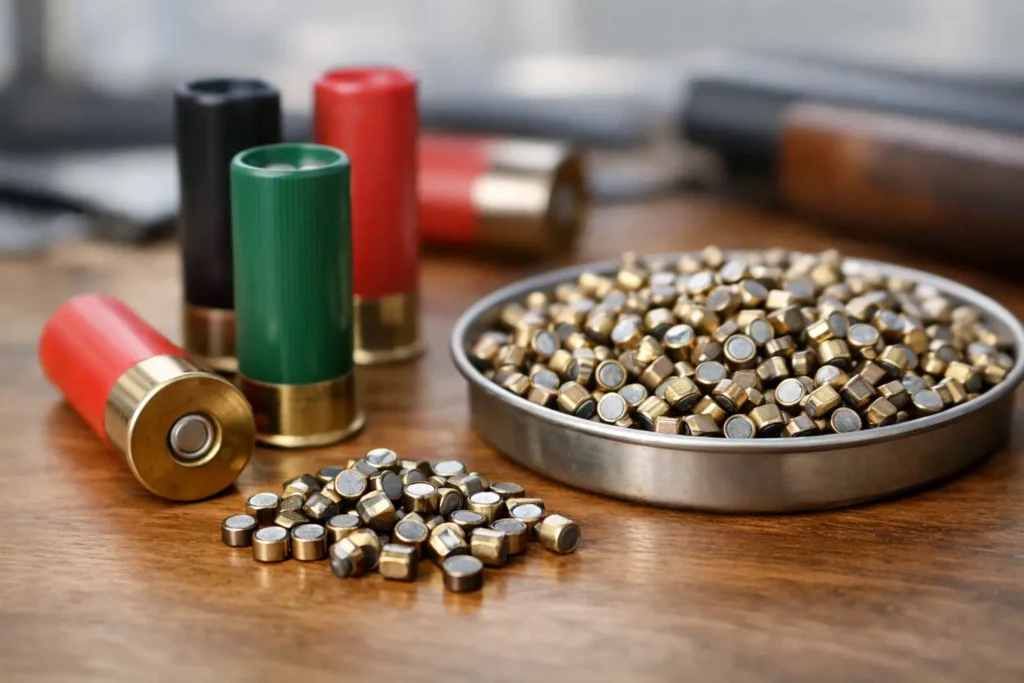
If you are searching for shotshell primers Canada reloaders actually trust, you are usually solving a very specific problem: matching the primer you can get with the load data you already know works. That matters more with shotshell than many newer reloaders expect. A primer swap in a shotgun load is not a casual change. It can affect ignition quality, pressure, burn consistency, and ultimately the pattern and field performance you get from the shell.
For experienced reloaders, the question is rarely just which primer is available. The better question is which primer fits the hull, wad, powder, payload, and published data without forcing compromises you do not need to make. Reliable ignition, every time, starts with that match.
Why shotshell primers are not all interchangeable
On paper, many 209-style primers look close enough to substitute. In practice, they are not identical. Shotshell primers vary in output, cup construction, and how they interact with specific powder types. Some run hotter. Some are known for cleaner ignition with harder-to-light powders. Others are selected because they align with long-established target recipes and produce predictable velocities and pressure.
That is why load manuals and powder manufacturers call out primer brand and type so precisely. In metallic cartridge reloading, careful substitution is sometimes possible within established limits. In shotgun loading, the margin for guessing is smaller than many people assume. Hull construction, internal volume, wad design, and crimp all interact with the primer. Change one part and the pressure curve can move with it.
For target shooters loading by the flat, consistency is the main advantage of choosing the correct primer. For hunters, dependable ignition in cold and damp conditions matters just as much. A shell that patterns well on the range but feels erratic in poor weather is not much use in the field.
Choosing shotshell primers Canada buyers should prioritize
The right primer depends on the load, not the label. If you are building 12 gauge target loads with a powder and wad combination that has proven data tied to a specific 209 primer, the cleanest path is to stay with that exact component. If you are loading heavier field charges or cold-weather hunting shells, you may see recipes that call for primers with stronger ignition characteristics to support the powder choice.
The practical filter is simple. Start with published data. Then look at availability from trusted brands with a track record for dimensional consistency and ignition reliability. Serious reloaders are not looking for a bargain-bin substitute. They are looking for primers that seat correctly, fire uniformly, and support repeatable performance lot after lot.
That is one reason brand matters here. Established names have earned their place because reloaders have seen how they behave over volume, over time, and across different applications. Consistency is the product.
Match the primer to the published recipe
This is the first rule because it solves most problems before they begin. If your data specifies a Winchester 209, Federal 209A, or another exact primer, treat that as part of the load recipe rather than an optional detail. The powder charge may look modest, but the tested result depends on that full combination.
When people get into trouble with shotgun loads, it often starts with assuming a 209 is just a 209. It is not. If your preferred primer is out of stock, the correct move is to find tested data for the primer you can source, not to force a substitution and hope the shell behaves the same.
Think in terms of application
A primer for soft-recoiling target loads may not be your first choice for heavier hunting loads, and the reverse is also true. Light one-ounce target shells are usually about comfort, clean function, and reliable cycling where relevant. Upland or waterfowl loads bring different priorities, especially when temperatures drop and powder ignition becomes less forgiving.
For high-volume clay shooters, even small differences in consistency become noticeable. Uniform ignition supports steadier velocities and more predictable patterns. Over hundreds or thousands of rounds, that is not theory. It is visible performance.
Availability matters, but not more than compatibility
A hard truth of primer buying is that supply changes. Shotshell primers can be difficult to find in steady volume, and when stock appears, reloaders naturally want to move fast. That urgency is understandable, especially if you are trying to keep a proven load in rotation through a full season.
Still, availability should narrow your options, not replace your standards. If the only primer in stock does not match your existing data, treat it as the start of a new load workup, not a shortcut. The safest and most effective buyers understand that the purchase decision happens alongside the data decision.
This is where a specialist source makes a difference. A focused reloading retailer is built around the needs of people who already know what they are looking for, whether that is a specific shotshell primer, a matching powder line, or both. For buyers who value precision and dependable supply, that clarity saves time and reduces costly mistakes.
What experienced reloaders look for in shotshell primers Canada supply
The first factor is authenticity and brand trust. Primers are not the place to gamble on uncertain sourcing. The second is in-stock visibility. Reloaders who buy with a plan want to know whether they can secure enough quantity to maintain lot consistency for a meaningful run of shells.
Shipping process matters too, especially for regulated components. A smooth, dependable checkout and fulfillment process is not just a convenience. It is part of keeping your bench supplied without interruption. Lee Reloading Canada serves that need by focusing on the components serious reloaders actually search for, with a streamlined buying process built around premium primer and powder inventory.
The final factor is product fit within a broader load strategy. If you are buying shotshell primers, there is a good chance you are also planning around powder availability. Getting both from a specialized supplier can make the difference between completing a load plan now and postponing it for weeks.
Storage, handling, and lot discipline
Once you have the right primer, protect that consistency. Store primers in a cool, dry area and avoid exposing them to unnecessary humidity or temperature swings. Keep lot numbers organized when practical, especially if you load in volume and track performance closely.
Lot changes do not always produce dramatic differences, but disciplined reloaders avoid mixing components casually. If a new lot arrives, it is worth paying attention. The more precise your application, the more useful that habit becomes.
Handling should stay simple and careful. Use the correct tools, seat primers consistently, and inspect for any signs of damage or contamination. Good results in shotshell loading usually come from repeating boring, correct steps without deviation.
Common buying mistakes to avoid
The most common mistake is buying on availability alone and assuming a substitute will behave like the original primer in your load data. The second is overbuying an unfamiliar primer before confirming that you have published data for the loads you intend to assemble. The third is ignoring the larger system and focusing only on the primer while changing powder, wad, or hull at the same time.
Each of those choices adds uncertainty. Shotshell loading rewards controlled variables. If you need to change one component, keep everything else anchored to tested data whenever possible.
A better way to buy shotshell primers Canada reloaders can rely on
The strongest buying approach is disciplined and simple. Know your recipe. Verify the exact primer called for. Buy from a specialized source with recognized inventory, real-time stock confidence, and a process built for component buyers rather than casual browsers.
That is how you keep your loading bench productive and your shells consistent from the first box to the last. In shotgun reloading, primer selection is not a minor detail. It is one of the points where safety, pressure control, and real-world performance meet.
When the right primer is available, act with confidence. When it is not, let tested data lead the decision. That mindset keeps your loads honest, your patterns dependable, and your time at the bench worth it.
