
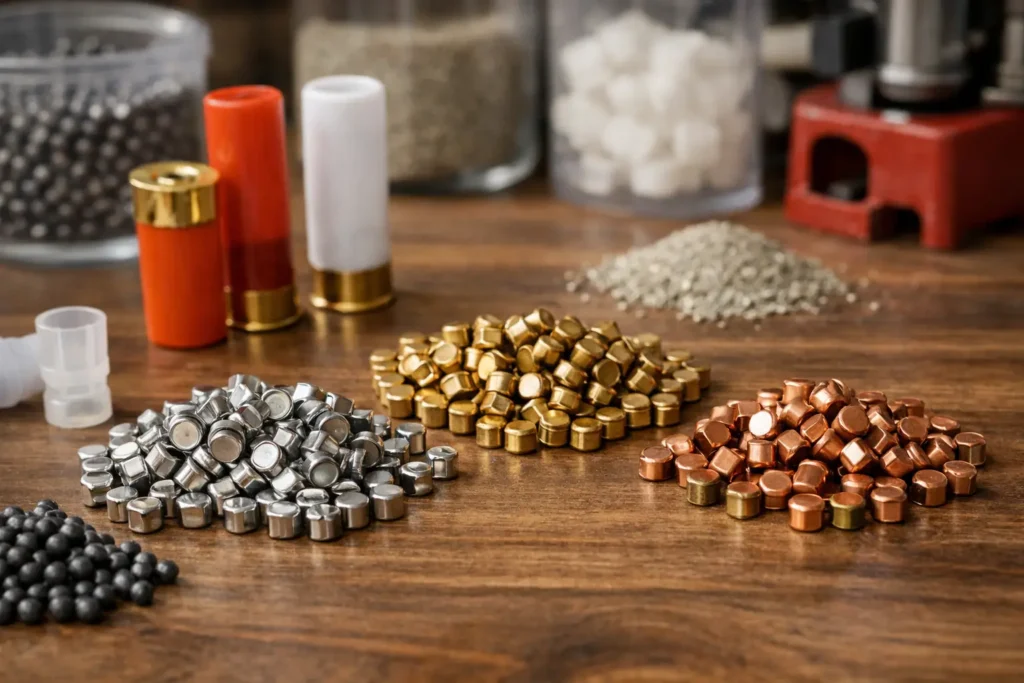
A target load can look perfect on paper and still disappoint at the line when ignition varies. The best shotshell primers for target loads are not simply the hottest or easiest to find. They are the primers that match your published load data, seat correctly in the hull, and deliver repeatable ignition from the first round of the day through a long practice session.
For trap, skeet, sporting clays, and informal clay shooting, consistency is the real performance advantage. A reliable primer supports uniform powder ignition, predictable velocity, clean function, and the confidence to focus on the target rather than the shell.
What Makes a Primer Right for Target Loads?
Shotshell primers are often grouped together as “209 primers,” but that label does not make them interchangeable. Primer cup dimensions, seating fit, brisance, and factory test data can vary by manufacturer and product line. Those differences matter most when a load is built near the edge of a published pressure range, but they can affect any carefully assembled target shell.
A good target-load primer should provide dependable ignition without introducing unnecessary variability. That generally points toward standard-strength primers specified in established data for the exact hull, wad, powder, payload, and gauge being used. The best choice is usually not a universal winner. It is the component named in the data for the load you intend to shoot.
That approach protects both performance and safety. Changing from one primer to another may alter pressure, velocity, and how cleanly a powder burns. Even components that appear similar can produce a different result in a specific hull and powder combination.
The Factors That Matter Most
Primer selection begins with published compatibility, then comes availability from a trusted source. Beyond that, experienced reloaders consider ignition character, fit in once-fired primer pockets, and lot-to-lot consistency.
For high-volume target shooters, dependable availability matters because changing primer types mid-season can mean rebuilding a proven load around different published data. Keeping a sensible supply of the same primer helps preserve the consistent feel and performance that competitive shooters value.
Best Shotshell Primers for Target Loads by Use Case
The following primers are widely recognized names in shotshell reloading. Their suitability depends on the specific published recipe, not on a broad claim that one is inherently better than every alternative.
Winchester 209 for Broad Target-Load Compatibility
Winchester 209 primers are a familiar choice in target-load data and are commonly associated with versatile 12-gauge applications. Their wide recognition makes them a practical option when working from manuals and manufacturer data that specifically list the Winchester 209.
For many reloaders, the advantage is straightforward: a commonly referenced primer can make it easier to find compatible data across popular target-load component combinations. That does not authorize substitution into a recipe developed for another primer. It does make Winchester 209 a strong candidate when it is the listed component.
Remington STS 209 for Premium Target Hull Systems
Remington STS 209 primers are often considered by reloaders using Remington-style target hulls and data built around that primer family. STS hulls have a long-standing reputation in clay-target circles, and many shooters prefer to keep their primer, hull, and published data within the same established system.
The appeal here is not branding for its own sake. It is repeatability. When a primer is specified for a familiar hull and wad combination, it removes a variable from the loading bench. For shooters who value uniform recoil feel and dependable breaks over large volumes of ammunition, that consistency is worth protecting.
CCI 209 for Reliable Standard Shotshell Ignition
CCI 209 primers are a well-known standard shotshell option with a strong reputation among reloaders. When listed in current, pressure-tested data, they can be an excellent fit for target ammunition where reliable ignition and consistent component quality are priorities.
CCI also offers 209M magnum primers. The magnum designation matters. A CCI 209M is not simply a standard CCI 209 with a different label, and it should never be treated as a casual replacement. Magnum primers belong only in data that specifically calls for them.
Federal 209A for Data That Calls for a Stronger Primer
Federal 209A primers are commonly regarded as a more energetic shotshell primer. That characteristic can make them appropriate in recipes designed around their ignition strength, particularly where a powder charge or operating conditions call for the performance profile reflected in published data.
For ordinary light target loads, however, more ignition energy is not automatically better. A Federal 209A should be selected because the data names it, not because it is available when a different primer is required. Its strong reputation is exactly why it deserves that level of respect.
Fiocchi and Cheddite Primers for Compatible Hulls and Data
Fiocchi and Cheddite primers are frequently encountered in European-style hulls and in data developed for those component systems. They can be very useful options, especially for reloaders working with compatible imported hulls or recipes that specify them directly.
Their key consideration is fit. Primer pockets can vary among hull makes and after repeated firings. A primer that seats correctly and securely in one hull may not provide the same fit in another. Inspecting primer-pocket condition and using the exact component called for in tested data remains the disciplined approach.
Standard Versus Magnum Primers in Clay Loads
Most conventional target-load recipes call for standard shotshell primers. They are designed to ignite the powder charge specified by the published load without adding the pressure changes that may accompany a hotter primer.
Magnum primers have a place, but it is a defined place. They may be called for in certain data, with particular powders, payloads, or colder operating conditions. The wrong conclusion is that a magnum primer improves every target shell. The correct conclusion is that primer intensity is one part of a tested system.
If a published recipe specifies a standard primer, use that standard primer. If it specifies a magnum primer, use the listed magnum model. This simple rule is one of the most valuable safeguards on any shotshell loading bench.
Why Primer Substitution Is a Poor Shortcut
A primer shortage can make substitution tempting, especially when two products share the 209 designation. But the primer is not a cosmetic component. It initiates the event that determines how the powder charge begins to burn.
Substituting a primer can change chamber pressure and velocity. It can also change the subjective character of the load, including recoil impulse and cleanliness. With target ammunition, where thousands of shells may be fired through a season, small inconsistencies become noticeable.
The practical answer is to locate current published data that exactly matches the primer you have. If that means choosing a different powder, wad, or hull combination, treat it as a new load rather than an adjustment to an old favorite. Use current manufacturer data and follow every listed component, charge range, and assembly specification without improvising.
Buying Primers for Consistent Practice Ammunition
For target shooters, purchasing strategy should support component consistency. If you have confirmed a safe, published load that performs well in your gun, buying enough of that exact primer to cover a meaningful portion of your shooting schedule can prevent unnecessary component changes.
Store primers in their original packaging in a cool, dry location away from flame, heat sources, and incompatible materials. Keep product lots organized so that any change in a component lot is easy to identify during routine load development and recordkeeping. Good records are not paperwork for its own sake. They help isolate variables when performance changes.
When evaluating primer inventory, prioritize recognized manufacturers, intact factory packaging, clear product identification, and a retailer that understands reloading components. Lee Reloading Canada focuses on the primers and powders serious reloaders look for, making it easier to source purpose-built components rather than settle for uncertain substitutions.
The Best Choice Is the Primer Your Data Specifies
There is no single primer that wins every trap, skeet, and sporting-clays application. Winchester 209, Remington STS 209, CCI 209, Federal 209A, Fiocchi, and Cheddite products can all be excellent components in the correct recipe. The difference lies in matching the primer to the data and maintaining that combination consistently.
A well-chosen primer does not draw attention to itself. It delivers reliable ignition, supports repeatable ballistics, and lets the shooter trust every call for “pull.” Start with current published data, buy genuine components, and let proven compatibility guide the next case of target loads.